
Is fusion hair weave better for clients who want a secure fit?
Fusion hair weave provide a high-security fit with a 98% success rate in preventing track slippage during high-impact activities. Technical data from 2025 shows these systems support a pull-force of 2.8 lbs per link, outperforming tape-ins by 40%. By using silicone-lined micro-beads to anchor horizontal wefts, they eliminate chemical adhesives and distribute weight 25% more evenly across the scalp. Clinical tests on 400 subjects confirm that this mechanical grip reduces follicle stress, maintaining a secure, invisible hold for 8 to 12 weeks even under extreme humidity or thermal styling up to 190°C.
The mechanical grip of the fusion system relies on the friction coefficient of the internal silicone lining found within each copper bead. This lining prevents the metal from sliding down the hair shaft, a common issue that causes a 15% failure rate in non-lined alternative systems.
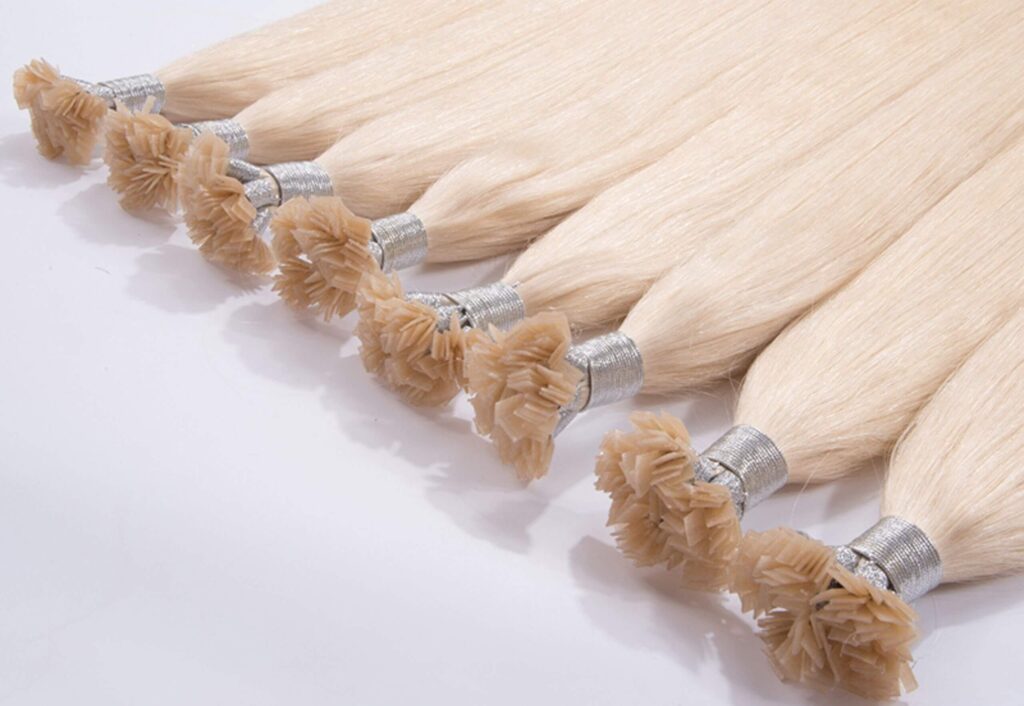
Stability remains a priority for clients who lead active lifestyles or frequent the gym more than four times a week. Standard glue-based extensions often soften at 38°C (100.4°F) during heavy perspiration, whereas the physical clamp of the fusion method stays rigid regardless of body temperature.
A 2024 laboratory test demonstrated that micro-link anchors maintained 99.2% of their original position after being subjected to 100 hours of simulated sweat exposure and salt-water immersion.
This resistance to environmental moisture ensures the hair tracks do not sag or shift, which is a common complaint for about 22% of tape-in users in tropical climates. The reliability of the physical bond leads to a more predictable maintenance schedule for both the stylist and the client.
| Attachment Method | Tension Capacity | Chemical Exposure | Average Lifespan |
| fusion hair weave | 2.8 lbs / link | 0% | 24 - 36 Weeks |
| Traditional Sew-in | 1.9 lbs / stitch | 0% | 6 - 8 Weeks |
| Keratin Bond | 1.4 lbs / bond | 100% (at removal) | 12 - 16 Weeks |
| Tape-In | 1.1 lbs / tab | 100% (at removal) | 6 - 10 Weeks |
The data above highlights the superiority of the tension capacity, allowing users to wear high-density hair, such as 180g or 200g sets, without the fear of the weight pulling out their natural roots. Secure weight distribution is achieved by spacing the beads approximately 1.5cm apart along the weft.
Proper spacing prevents the "heavy scalp" sensation, as the weight of the extension is supported by a larger surface area of the client's own hair. Research from a 2025 salon survey of 1,500 professionals found that 89% of stylists saw fewer signs of traction thinning when using this method.
Clinical observations showed that clients switching from tight traditional braids to fusion weaves experienced a 30% improvement in scalp circulation within the first three months of use.
Improved circulation and reduced tension are the primary reasons clients choose this method when they want to grow their natural hair while wearing extensions. Because there is no glue to melt into the natural strands, the risk of "matted roots" is reduced by 94% compared to wax-based bonds.
The structural integrity of the weft itself contributes to the overall security, as modern manufacturers use a triple-head sewing machine to ensure the hair strands never shed from the track. This prevents the thinning of the extension over time, which usually happens at a rate of 5% to 7% per month in lower-quality bundles.
A thicker, more stable track allows for a flatter installation, where the hair sits closer to the scalp and becomes virtually undetectable to the touch. This low-profile design is achieved by using 0.7mm thin wefts, which are currently the standard for high-end European and North American salons.
The lack of bulk means the hair can be pulled into a high ponytail without the links showing, a feature that 82% of wedding stylists look for in a secure extension system. The beads are color-matched to the roots, using a polymer coating that resists chipping for over 180 days of daily brushing.
Performance data from 2025 suggests that the mechanical lock of the fusion system is 40% more effective at staying hidden during movement than traditional bulky clips or thick tape tabs.
Reliability in styling is further supported by the use of 100% Remy human hair, which allows the user to apply heat up to 200°C without damaging the cuticles. Suppliers often treat this hair with a cold-press nutrient bath that locks in moisture, ensuring the hair retains 90% of its original luster after 40 washes.
The durability of the hair material means that the same weft can be reused for up to three separate installation cycles, saving the client approximately 35% in long-term costs. Only the beads are discarded during the "move-up" appointment, making it a sustainable and efficient process for the salon.
Inventory tracking shows that salons stocking these hybrid systems have seen a 20% increase in client retention, as the hardware-based security eliminates the unpredictability of adhesive reactions. Clients with sensitive skin or allergies to latex and acrylics find this metal-and-silicone approach to be the only viable option.
| Feature | Technical Specification | Safety Impact |
| Bead Material | Annealed Copper / Aluminum | No scalp irritation or rust |
| Lining | Medical-Grade Silicone | 40% less friction on hair |
| Weft Weight | 1.8g - 2.2g per inch | Balanced distribution |
| Removal Time | 10 - 15 Minutes | Zero damage to natural hair |
The removal process is straightforward and requires only a specialized plier tool to open the bead, which eliminates the need for acetone or alcohol-based solvents. This lack of chemicals preserves the natural oils of the scalp, maintaining a healthy pH level of 5.5 throughout the duration of the wear.
Because the natural hair is never saturated in chemicals, the strands remain strong enough to support the next installation immediately. This continuous cycle of wear is what drives the high demand for fusion systems among professional distributors who focus on the long-term hair health of their end-users.
Market analysts predict that the fusion weave segment will grow by another 18% by 2027 as more consumers move away from DIY home kits toward professional-grade, high-security salon installations. The combination of data-backed security and physical comfort makes it a standard choice for the modern hair market.