
Practical Advice for Selecting Free cabinet samples
A practical guide to sample for homeowners planning a kitchen remodel, covering materials, layout, budget, installation, and care.
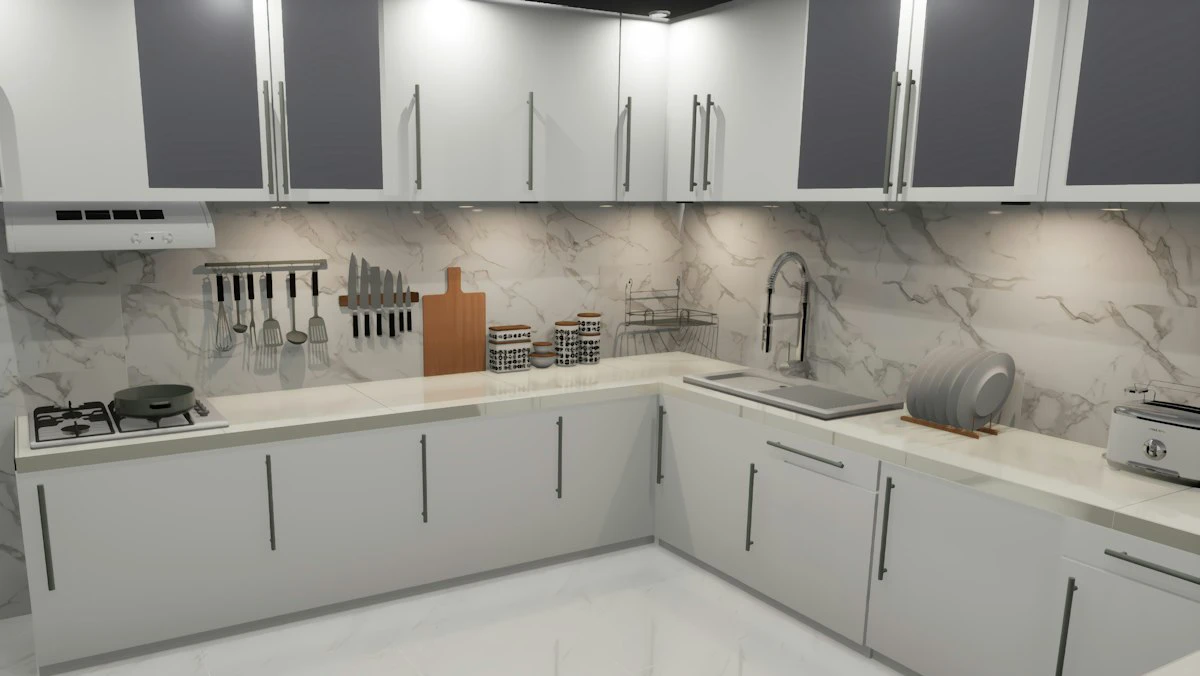
Practical Advice for Selecting Free cabinet samples
A well-chosen cabinet package does more than fill wall space. It sets the rhythm of the room, frames the work zones, and decides how much of the kitchen stays calm and clear on an ordinary Tuesday. When people begin researching free cabinet samples, they often focus on color first. Over time, most discover that construction, layout, and function matter just as much as the finish they see in a photo.
Few purchases in a home affect daily life as consistently as kitchen cabinetry. Drawers open dozens of times a day, doors take years of gentle abuse, and shelves hold everything from heavy cookware to fragile glassware. That is why the conversation around free cabinet samples deserves more than a quick scan of showroom photos. A little homework upfront can prevent expensive regrets later.
Why Free cabinet samples Matter in a Modern Kitchen
A kitchen that works well reduces daily stress in ways that are easy to overlook. Morning routines flow instead of snagging. Cleanup takes fewer steps. Ingredients and tools live where the cook instinctively reaches for them. Good cabinetry is not a luxury so much as a form of quiet efficiency. When free cabinet samples are matched to real habits, the room stops demanding attention and starts supporting the people inside it.
Design consistency is easier to achieve when the cabinets come first. Once the cabinet style, finish, and proportions are settled, the countertop, backsplash, and hardware choices have a clear reference point. This is why experienced designers often treat free cabinet samples as the anchor of the entire palette. A single confident decision upstream prevents a dozen conflicting ones downstream.
Key Factors When Choosing Free cabinet samples
Check lead times and delivery logistics early. Cabinet orders can take weeks or even months depending on the finish and availability, and a late delivery can stall an entire renovation. Understanding the timeline before committing allows the household to schedule installation, countertop templating, and appliance delivery in the correct order rather than reacting to surprises.
Start with the layout and the work triangle. The distance between the sink, the range, and the refrigerator shapes how comfortable the kitchen feels to use. Cabinets should support that flow rather than interrupt it, which means checking door swings, drawer clearance, and appliance openings against the plan before ordering anything. A few minutes with a tape measure now saves a great deal of frustration later.
Materials and Construction to Compare
Finally, material choices affect how easily the kitchen can be maintained. Smooth, sealed surfaces wipe clean quickly, while heavily textured or unfinished surfaces trap grease. Busy households often benefit from finishes that tolerate frequent wiping without dulling. The most durable kitchen is usually the one that is easiest to keep clean.
Finish quality determines how the kitchen looks and wears. A durable factory finish is applied under controlled conditions and cures evenly, which makes it more resistant to chipping and moisture than a finish applied on site. When evaluating free cabinet samples, ask how the finish is applied and what warranty covers it, because this is one of the clearest signals of overall build quality.
Measuring and Planning the Kitchen
Planning begins with a clear picture of how the household uses the kitchen on an ordinary day. Where do people gather? Who cooks, and how often? Is there a need for a dedicated baking zone, a coffee station, or space for children to do homework? Answering these questions before selecting free cabinet samples turns a vague wish list into a concrete set of requirements that can guide every decision.
Plan for the future without overbuilding. A kitchen that anticipates a growing family or aging residents is more resilient than one designed only for today. Simple choices, such as leaving room for an extra appliance or choosing adjustable shelving, add flexibility at low cost. Forward-looking planning around free cabinet samples tends to be the difference between a kitchen that adapts and one that dates quickly.
Installation and Timeline
Leveling is the foundation of a professional-looking installation. Even a small slope in the floor can throw doors and drawers out of alignment, so installers shim and adjust base cabinets before fixing them in place. When free cabinet samples are installed level, doors close cleanly and drawers glide evenly, which is why this unglamorous step determines much of the finished quality.
Securing cabinets to the wall structure, not just to each other, keeps the kitchen safe and stable. Proper fasteners and study of the wall framing ensure that heavy upper cabinets stay put for decades. This is not a step to rush, and it is one reason experienced installers are worth the cost on larger or unusually shaped kitchens.
Budget, Cost, and Value
It is worth distinguishing between cost and value. A cheaper cabinet that needs replacing in a few years is not actually less expensive than a durable one, and a well-built cabinet that fits the room perfectly saves money by avoiding customization later. When comparing free cabinet samples, value is best measured over the life of the kitchen rather than at the point of sale.
Hidden costs deserve a line in the budget. Delivery, sales tax, filler panels, toe kicks, and unexpected repairs to walls or floors all appear at some point. Setting aside a contingency of roughly ten to fifteen percent absorbs these surprises without derailing the plan.
Maintenance and Everyday Care
Drawers should not be overloaded beyond their design. Heavy items are best stored in the lower drawers that are built for weight, leaving upper drawers for lighter tools and utensils. Distributing weight sensibly reduces strain and keeps glides operating smoothly for longer.
Finally, keep a simple maintenance schedule. A monthly wipe-down, a seasonal hardware check, and an annual inspection of seals around the sink and dishwasher cover most of what matters. Cabinets are built to last, and a modest routine is all it takes to keep them looking and working their best.
Common Mistakes to Avoid
Forgetting about lead times creates unnecessary stress. A cabinet that arrives late can delay countertops, appliances, and the final inspection. Ordering free cabinet samples as early as the plan allows, and confirming the delivery window in writing, protects the timeline from avoidable pressure.
Ignoring the work triangle is a mistake that shows up every single day. A layout that forces cooks to cross the kitchen repeatedly for basic tasks quickly becomes irritating. Placing the main work zones within easy reach, and confirming that free cabinet samples support that arrangement, keeps the room pleasant to use.
How to Compare Options Online
Customer support is a good indicator of overall reliability. A supplier that answers questions clearly and promptly before a purchase is more likely to help if something goes wrong afterward. Before committing to free cabinet samples, it is reasonable to ask about delivery, returns, and spare parts.
Budgeting for the full order, not just the cabinets, keeps online shopping on track. Shipping, taxes, and any hardware upgrades should be included when comparing totals. A slightly higher headline price with free shipping and included hardware is often the better value once everything is counted.
Quick Checklist
- Measure the room carefully, including walls that are not perfectly square.
- Confirm appliance dimensions and required clearances before ordering.
- Plan storage around the items the household actually uses every week.
- Compare hardware quality, not only the door finish.
- Check lead times and delivery windows early in the project.
- Set aside a contingency budget for the unexpected.
Frequently Asked Questions
How do I know which free cabinet samples are right for my kitchen?
Start with the layout and the way your household cooks, then match the cabinets to those requirements. Confirm the measurements of the room, decide how much closed and open storage you need, and compare construction, hardware, and finish before considering color. A shortlist built this way is usually far easier to choose from than a catalog of finishes.
Are cabinets a good investment?
Cabinets are one of the few kitchen improvements that affect both daily function and resale appeal. Because they cover so much of the room and are used constantly, quality cabinetry tends to hold its value well. The key is to match the investment to the home and the household rather than simply choosing the most expensive option.
How long does a cabinet project usually take?
A typical project involves planning, ordering, delivery, installation, and a short adjustment period afterward. Lead times vary widely by finish and supplier, so confirming delivery windows early is important. Building a little flexibility into the schedule helps absorb the small delays that almost every renovation encounters.
Should I install cabinets myself?
Some homeowners successfully install their own cabinets, especially with a simple layout and the right tools. However, leveling, securing cabinets to the wall framing, and finishing trim are tasks where professional experience shows. If time or confidence is limited, hiring an installer is usually money well spent.
How can I make cabinets last longer?
Regular, gentle cleaning, prompt attention to moisture near the sink and dishwasher, and occasional hardware checks go a long way. Avoid overloading drawers and keep the indoor climate reasonably stable. These simple habits preserve both the finish and the mechanics of the cabinets for years.
Final Thoughts
Good kitchens are built twice: once on paper and once in the room. The planning stage is where the most value is created, because it is where problems are found and solved at no cost. Giving free cabinet samples the attention they deserve during planning makes the physical build far smoother.
Choosing free cabinet samples is ultimately an exercise in matching a room to a life. The best decisions come from understanding how the kitchen is used, measuring carefully, and comparing options on the details that matter rather than the details that photograph well. Done with patience, the process produces a kitchen that quietly supports everything that happens inside it.
Homeowners comparing free sample can review cabinet styles and plan the next step of their project.